
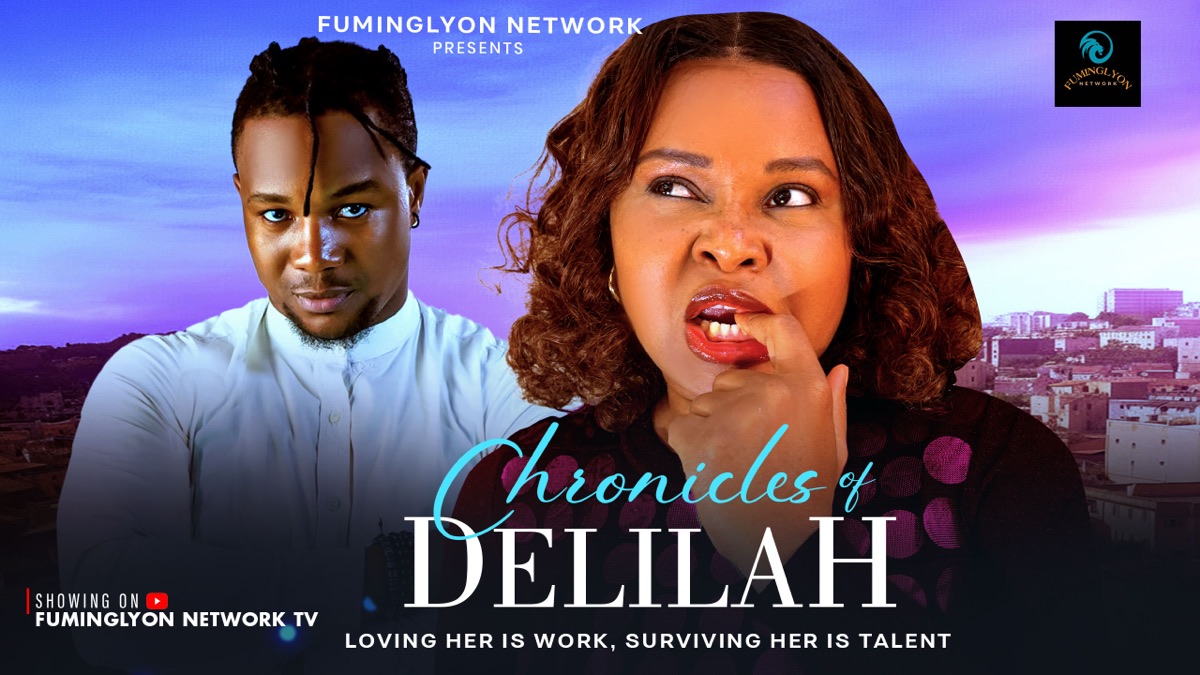
Behind the Scenes: Making Chronicles of Delilah
Eight months, ₦550,000, and a lot of borrowed goodwill. Here is what it actually took to get Chronicles of Delilah from a conversation in Lagos to a finished film — including the parts we would do differently.
The Story Behind the Story
Chronicles of Delilah took eight months from first idea to finished cut. That number surprises people, because the film itself is not long. But the shoot is the shortest part of any production. Almost everything that determines whether a film works happens before the camera is switched on, or long after it is switched off.
This is an honest account of where that time went, where the money went, and what we would do differently. We are writing it because when we started, almost every "behind the scenes" piece we could find was either a Hollywood budget breakdown that bore no relationship to our reality, or a highlight reel that skipped the hard parts.
The Inspiration
The idea came from real conversations with women in Lagos navigating complex family dynamics, career ambitions, and societal expectations. Not one dramatic story — dozens of ordinary ones, repeated often enough that a pattern emerged.
That is usually where the strongest material is. Not in the extraordinary event, but in the situation so common that everyone recognises it and nobody has put it on screen honestly. If several people tell you a version of the same story without realising the others have, you are probably holding something worth filming.
Where Eight Months Actually Went
People assume the schedule is mostly shooting. It is not. Roughly:
- Writing and rewriting — around three months. The first draft is not the film. It is the thing you learn the film from. We rewrote substantially after the first table read, because dialogue that reads well on a page often collapses when a human being has to say it out loud.
- Casting and pre-production — around two months. Auditions, callbacks, location scouting, scheduling, permissions, equipment booking. This is the phase that quietly decides whether your shoot is calm or chaotic.
- Principal photography — days, not months. The most visible phase is by far the shortest.
- Post-production — around three months. Editing, sound, colour, music, and the endless small fixes that nobody notices when they are done right and everybody notices when they are not.
If you are planning your first film, budget your time the way you budget your money. Underestimating post is the single most common scheduling mistake we see.
Production Budget: ₦550,000 (~$700)
Here is the full breakdown, and more usefully, what each line actually bought:
- Equipment rental — ₦150,000. Camera, lenses, lighting and sound kit for the shoot days. Renting rather than buying is what made the budget possible at all.
- Cast & crew — ₦200,000. The largest single line, and correctly so. People are the production.
- Locations — ₦80,000. Access fees, permissions, and the practical costs of shooting somewhere that is not your own living room.
- Post-production — ₦120,000. Edit, sound work, and colour.
That is roughly $700 at the time of production. It is worth being clear about what a number like that does and does not prove. It does not prove that money is irrelevant — a larger budget buys time, and time is the thing most low-budget films are starved of. What it proves is that the barrier to making something real is much lower than most first-time filmmakers believe.
What We Underestimated
Three things cost more than we planned for, and they are the same three things that catch most small productions:
- Feeding people. Catering is not a soft cost. A crew that has not eaten works slowly and badly, and food is one of the few things that reliably keeps goodwill intact on a set where nobody is being paid market rate.
- Transport and logistics. Moving people and equipment across Lagos is not a rounding error. Traffic is a budget line, whether you write it down or not.
- Contingency. Something will go wrong. A location falls through, a battery dies, someone gets sick. If your budget has no slack in it, the slack comes out of the film.
Lessons Learned
Sound is half the film
Audiences will forgive a slightly soft image. They will not forgive dialogue they cannot hear. Bad sound reads as "amateur" faster than almost anything else, and unlike a lot of visual problems, it is very difficult to fix in post. If you have to choose between a better camera and a better microphone, choose the microphone. Every time.
Location scouting is not optional
Visit in person, at the same time of day you intend to shoot. A room that is perfect at 10am can be unusable at 4pm. Listen as much as you look — generators, traffic, roadside markets, roosters, and building work have ruined more takes than bad acting ever will. Ask what happens next door on the day you plan to be there.
Community support is everything
At this budget level, the film is held together by people doing you favours: a friend with a space, a neighbour who moves their car, a colleague who feeds the crew. Treat those favours as seriously as invoices. Credit people properly, keep your promises about timing, and return the favour when someone else is shooting. The Lagos film community is small and long-memoried, in both directions.
Tell your own story
The temptation with a first film is to make something that looks like the films you admire. The films that travel are almost always the ones with something specific in them that only the person who made them could have known. Specificity is not a limitation — it is the entire advantage you have.
Would We Do It Again This Way?
Mostly, yes. The one change we would make is spending more of the budget on sound and less on trying to expand the visual scope. Ambition on a small budget is better spent on performance and audio than on scale — a modest scene that is well-acted and cleanly recorded will always beat an ambitious one that looks and sounds stretched.
Related Articles

African Filmmaking on a Budget: $5K vs $20K Films
You do not need Hollywood money — but you do need to know what money actually buys. A line-by-line look at what changes between a $5,000 short and a $20,000 one, and where you must not cut.
How to Get Your African Film into International Festivals
Festivals open doors YouTube cannot — but only if you submit strategically. A practical guide to tiers, premiere status, deliverables, fees, and the calendar that governs all of it.
Equipment Guide for Nigerian Filmmakers: What to Buy First
Most first-time filmmakers spend their whole kit budget on the wrong thing. Here is the order to buy in, what to rent instead, and the power problem nobody warns you about.