

Equipment Guide for Nigerian Filmmakers: What to Buy First
Most first-time filmmakers spend their whole kit budget on the wrong thing. Here is the order to buy in, what to rent instead, and the power problem nobody warns you about.
You Don't Need Everything at Once
A familiar pattern: someone spends ₦500,000 to ₦1,000,000 assembling a kit, discovers that owning equipment is not the same as knowing what to do with it, and has no money left to actually produce anything. Gear does not make films. Shoots make films.
Buy in the order that improves your work fastest, and rent the rest.
The Hierarchy That Actually Matters
If you remember nothing else from this guide, remember the order:
- Sound — the fastest way to stop looking amateur
- Light — control over light changes an image more than any camera upgrade
- Support — a stable shot reads as deliberate; a shaky one reads as accidental
- Camera — genuinely the least important of the four at entry level
Almost everyone buys this list backwards.
A Sensible Starter Kit: ₦355,000–450,000
- Camera — Sony A6400, roughly ₦280,000–350,000. More than capable for short film work. Any comparable modern mirrorless body will do the job.
- Audio — Rode VideoMic GO, roughly ₦45,000–60,000. An entry point, not an endpoint. A shotgun mic on a boom pole, operated by a person, beats any on-camera microphone.
- Tripod — Manfrotto, roughly ₦30,000–40,000. Buy a decent one once rather than a cheap one three times.
- Edit — DaVinci Resolve, free. The free version is genuinely professional software, and it handles colour grading better than most paid alternatives.
Prices in Naira move considerably with the exchange rate, so treat these as a guide to relative cost rather than a current quote. Check before you buy.
The Power Problem
This is the part international equipment guides never mention, and it will affect your shoot more than your camera choice.
- Batteries are consumables, not accessories. Carry far more than you think you need — for the camera, the monitor, the audio recorder and the lights. A dead battery mid-scene costs you the take and the momentum.
- Power banks and a reliable inverter are worth more to a Nigerian shoot than an extra lens.
- Generators solve power and create sound problems. If you are running one, get it as far from the microphone as your cabling allows, and record room tone so your editor can work with the noise floor.
- Charge everything the night before. Obvious, routinely forgotten, and the cause of more lost shoot hours than any other single thing.
What NOT to Buy First
- A drone. Impressive, rarely necessary, and subject to regulation. Rent one for the two shots that genuinely need it.
- Multiple lenses. One good prime and one versatile zoom will cover almost everything. Lens collections are a hobby, not a production need.
- An expensive editing computer. Buy this when your current machine is demonstrably the bottleneck — not before.
- Sliders, gimbals and dollies. Rent per shoot. Most first films use them far less than planned.
Rent, Don't Buy
Rental is not a compromise; it is how most professional productions operate. It gets you better equipment than you could afford to own, for exactly the days you need it, with someone else absorbing maintenance and obsolescence. Cinema cameras, lighting packages, specialist lenses and movement gear should almost always be rented until you are shooting often enough that ownership genuinely pays for itself.
Where to Buy
- Slot Nigeria and Jumia for mainstream consumer items
- Computer Village, Ikeja, for range and negotiation — go with someone who knows the market
- B&H Photo for imports, factoring in shipping, customs and the exchange rate before you commit
Whatever the source, test everything on arrival, keep receipts, and check warranty terms — international warranties frequently do not apply locally.
Our Philosophy
Story beats gear. Good audio beats good video. Lighting beats an expensive camera. Every filmmaker learns these in that order eventually; the ones who learn them early save a great deal of money.
Need Equipment for a Shoot?
Talk to us about rentals and what your production actually needs.
Get in TouchRelated Articles
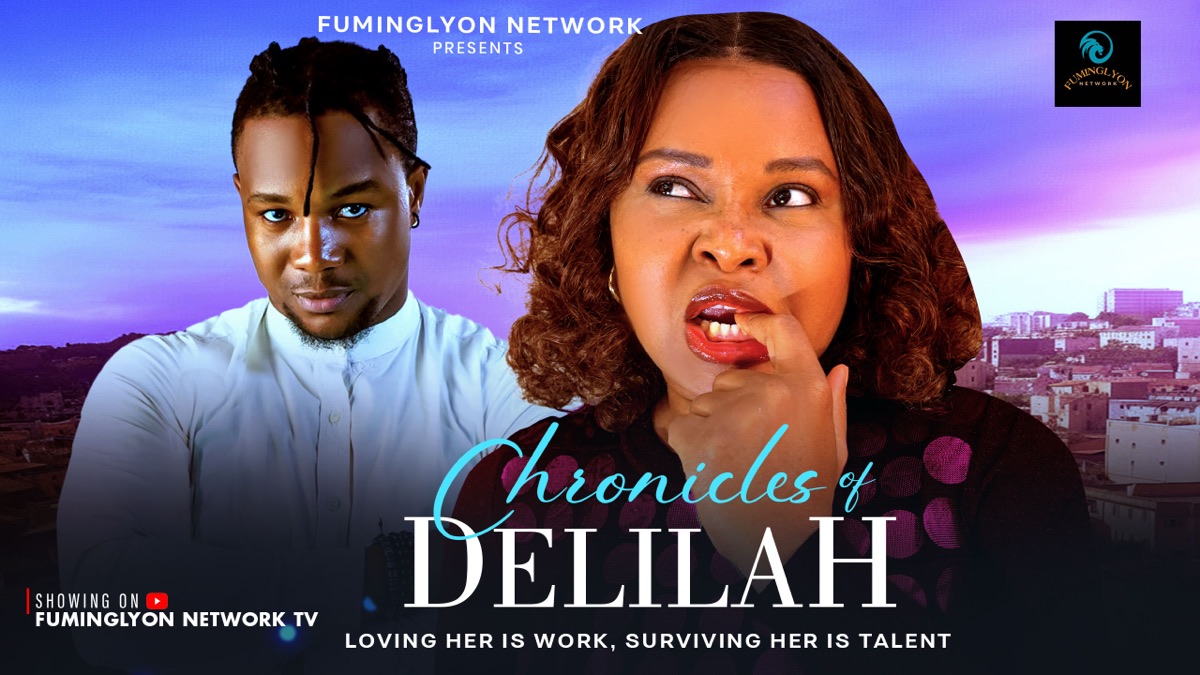
Behind the Scenes: Making Chronicles of Delilah
Eight months, ₦550,000, and a lot of borrowed goodwill. Here is what it actually took to get Chronicles of Delilah from a conversation in Lagos to a finished film — including the parts we would do differently.
African Filmmaking on a Budget: $5K vs $20K Films
You do not need Hollywood money — but you do need to know what money actually buys. A line-by-line look at what changes between a $5,000 short and a $20,000 one, and where you must not cut.
How to Get Your African Film into International Festivals
Festivals open doors YouTube cannot — but only if you submit strategically. A practical guide to tiers, premiere status, deliverables, fees, and the calendar that governs all of it.